Overview:
The global Spirits Market is projected to witness steady growth from 2026 to 2036, supported by rising premiumization trends, expanding urban populations, evolving consumer preferences, and increasing social consumption occasions. Spirits include distilled alcoholic beverages such as whiskey, vodka, rum, gin, tequila, brandy, and other specialty liquors.
Growth in the market is driven by rising disposable income levels, demand for craft and flavoured spirits, strong brand positioning strategies, and expanding distribution networks across both on-trade and off-trade channels. Additionally, innovation in product packaging, low-alcohol variants, and digital marketing strategies are influencing purchasing behaviour globally.
Leading Segment:
By Product Type – Whiskey
Whiskey represents the leading segment in the global spirits market. This dominance is attributed to strong global brand loyalty, premium and super-premium product positioning, and widespread consumption across North America, Europe, and Asia Pacific.
The segment benefits from aging value perception, craft distillery expansion, and increasing demand for single malt and flavored variants. Additionally, whiskey enjoys strong presence in both mature and emerging markets, supported by established distribution networks and global brand recognition.
Market Drivers:
- Growing demand for premium and craft spirits.
- Rising disposable incomes in emerging economies.
- Expansion of global distribution and retail networks.
- Increasing social and nightlife culture.
- Innovation in flavors, packaging, and branding.
Market Restraints:
- Strict government regulations and taxation policies.
- Health awareness and moderation trends.
- Advertising and marketing restrictions in certain regions.
- Volatility in raw material prices.
Opportunities:
- Growth in premium and ultra-premium segments.
- Rising demand for flavored and craft spirits.
- Expansion of e-commerce and direct-to-consumer alcohol sales.
- Emerging markets with expanding middle-class populations.
Regional Insights:
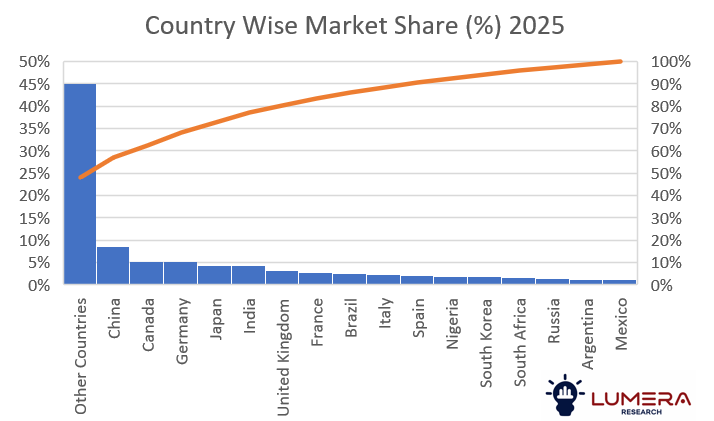
- North America: Largest revenue contributor driven by high consumption of whiskey and premium spirits, strong brand presence, and established distribution infrastructure.
- Europe: Mature market with strong demand for whiskey, vodka, and gin, supported by heritage brands and craft distilleries.
- Asia Pacific: Fastest-growing region driven by rising disposable income, expanding urbanization, and increasing acceptance of Western alcoholic beverages.
- Latin America: Steady growth supported by rising demand for rum and tequila-based products.
- Middle East & Africa: Gradual growth influenced by regulatory environments and tourism-driven consumption in select markets.
Market Size & Growth Outlook:
- Market Size (2026): ~USD 590–620 Billion
- Market Size (2036): ~USD 820–880 Billion
- CAGR (2026–2036): ~3.4–4.2%
The market demonstrates stable growth due to consistent global consumption patterns, premium product launches, and expansion in emerging economies.
Key Companies (Representative List):
- Diageo
- Pernod Ricard
- Bacardi Limited
- Brown-Forman Corporation
- Beam Suntory
- Constellation Brands
- Campari Group
- Rémy Cointreau
- William Grant & Sons
- Moët Hennessy
- Edrington Group
- Heaven Hill Brands
- Sazerac Company
- Asahi Group Holdings
- Kirin Holdings