Polyisocyanurate Insulation Market value is USD 14.2 billion in 2024, projected to reach between USD 24.3–25.6 billion by 2033–2035 (CAGR approximately 6.1–6.6%). The global polyisocyanurate insulation market is growing steadily as demand for energy-efficient, fire-resistant building materials rises in residential, commercial, and industrial segments. Stringent building codes, green construction trends, and technological innovations are fueling expansion.
Leading segments in Polyisocyanurate Insulation:
Rigid foam board products dominate, accounting for approximately 80% of the market share due to their versatility and performance in thermal applications.
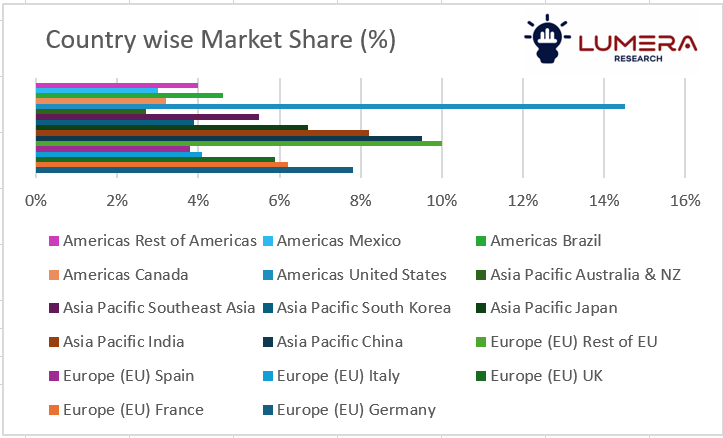
Thermal insulation remains the leading application (over 70% share), with wide adoption in roofing, wall insulation, and cold storage facilities. Asia-Pacific is the fastest-growing region—driven by construction growth in China, India, and Southeast Asia—while North America maintains the largest share due to mature infrastructure and stringent energy codes.
Drivers:
- Regulatory ramp-up on energy efficiency and green building standards bolsters demand for high-R-value insulation.
- Urbanization and construction booms in developing economies accelerate the uptake of polyiso solutions.
- Technological advances—such as prefabricated panels, enhanced fire retardancy, and moisture-resistant core formulations—expand application versatility.
- Market shift toward sustainable and resilient building materials increases preference for polyisocyanurate’s durability and eco-performance.
Restraints:
- Price volatility and rising cost of raw polyol and isocyanurate materials can compress margins or slow adoption.
- Complexity in manufacturing multilayer or laminated solutions raises capital and operational requirements.
- Recycling or disposal of multilayer and coated insulated boards remains a sustainability challenge.
- Limited awareness or traditional preferences in some regions can delay adoption of newer insulation technologies.
Polyisocyanurate Insulation Market Regional Dynamics:
North America: Largest market in value, driven by strict energy codes, retrofit demand, and established construction frameworks.
Europe: Steady growth underpinned by sustainable building mandates, fire safety regulations, and modernization of commercial and industrial stock.
Asia-Pacific: Fastest-growing region, propelled by rapid urban construction, infrastructure investment, and climate resilience priorities.
Quick Market Figures:
- 2024 market size: USD 14.2 Billion
- 2033–2035 market size (projected): USD 24.3–25.6 Billion
- CAGR (2024–2033/35): ~6.1–6.6%
- Leading product type (2024): Rigid foam board (~80% share)
- Leading application (2024): Thermal insulation (~73% share)
- Regional leader: North America (highest value), Asia-Pacific (fastest growing region)
Key Players in Polyisocyanurate Insulation Market:
- BASF
- DowDuPont
- Owens Corning
- Saint-Gobain
- Kingspan Group
- Honeywell International
- Johns Manville
- Sika AG
- Stepan Company
- IKO Industries
- Knauf Insulation
- Atlas Roofing Corporation
- GAF Materials Corporation
- Carlisle SynTec
- Hunter Panels
- Covestro
- Chemours
- Nippon Shokubai
- Recticel