The global Pain Monitoring Devices Market is projected to grow from an estimated USD 1.25 billion in 2025 to approximately USD 3.20–3.45 billion by 2035, exhibiting a CAGR of ~10.2–10.8% during the forecast period. Growth is driven by rising prevalence of chronic pain conditions, increasing adoption of digital and wearable pain monitoring tools, integration of advanced sensor technology, demand for personalized pain management solutions, and expanding telehealth and remote patient monitoring programs.
Pain monitoring devices — including wearable biosensors, smart patches, implantable monitoring systems, and remote pain assessment tools — are increasingly used in clinical and homecare settings to quantify pain intensity, capture physiological biomarkers, and support healthcare provider decision-making. Technological innovations such as AI-driven analytics, wireless connectivity, and cloud-based data platforms are enhancing device capabilities and patient adherence.
Leading Segments in Pain Monitoring Devices Market:
Wearable Pain Monitoring Devices
Among all segments, wearable pain monitoring devices dominate the market due to their non-invasive nature, continuous real-time tracking, and ability to integrate with mobile health platforms. These devices typically use biosensors, accelerometers, electromyography (EMG), skin conductance sensors, and photoplethysmography (PPG) to capture indicators correlated with pain intensity and physiological stress responses.
The increasing consumer preference for wearable health tech, remote patient management programs, and proactive health tracking has elevated demand for wearable pain devices in chronic pain conditions such as arthritis, neuropathy, fibromyalgia, and postoperative pain monitoring. Enhanced connectivity (Bluetooth, Wi-Fi) and integration with smartphone applications enable real-time data access for clinicians and caregivers, improving treatment personalization and patient outcomes.
Key Drivers in Pain Monitoring Devices Market:
- Rising Prevalence of Chronic Pain Conditions: Increasing global incidence of back pain, arthritis, migraines, neuropathy, and postoperative pain drives the need for effective monitoring solutions.
- Growth of Telehealth & Remote Patient Monitoring: Expansion of telemedicine services and homecare programs enhances the adoption of digital pain monitoring tools.
- Technological Advancements: Integration of advanced biosensors, AI-based analytics, predictive models, and cloud platforms improves accuracy, usability, and data insights.
- Aging Population: Higher prevalence of age-related pain disorders among elderly populations fuels device adoption.
- Health Awareness & Patient Empowerment: Patients increasingly seek objective methods to monitor pain intensity and communicate symptoms to care teams.
Key Restraints in Pain Monitoring Devices Market:
- High Device Costs: Premium prices for advanced pain monitoring systems may limit adoption in price-sensitive markets and smaller healthcare facilities.
- Regulatory & Approval Challenges: Stringent regulatory requirements for medical device certification can delay product launches and market entry.
- Data Privacy & Security Concerns: Collection and transmission of sensitive physiological data raise cybersecurity and patient privacy issues.
- Limited Awareness in Emerging Regions: In some markets, awareness about advanced pain monitoring solutions is still developing, which may constrain near-term demand.
Regional Dynamics:
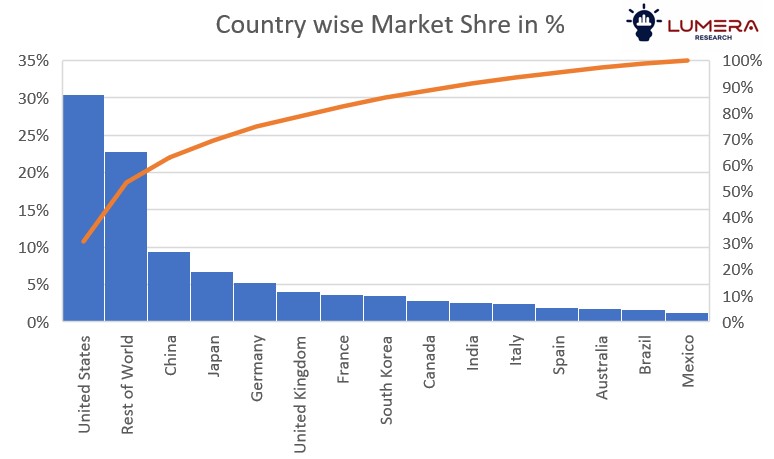
- North America is the largest market due to advanced healthcare infrastructure, high adoption of digital health solutions, a growing elderly population, and strong R&D investments.
- Europe exhibits steady growth with increasing integration of wearable monitoring tools in clinical pain management practices, supported by health technology assessments and reimbursement frameworks.
- Asia Pacific is the fastest-growing region, driven by rising healthcare spending, expanding telehealth adoption, rising prevalence of chronic pain conditions, and increased accessibility of wearable devices.
- Latin America shows gradual market expansion supported by improving healthcare infrastructure and growing awareness about chronic pain management.
- Middle East & Africa presents emerging opportunities due to rising investment in healthcare technology and increasing prevalence of lifestyle-related pain disorders.
Quick Market Figures:
- 2025 Market Size: ~USD 1.25 Billion
- 2035 Market Size (Projected): ~USD 3.20–3.45 Billion
- CAGR (2025–2035): ~10.2–10.8%
- Leading Regional Growth: Asia Pacific (fastest region)
Key Players in the Pain Monitoring Devices Market:
- Medtronic plc
- Abbott Laboratories
- Koninklijke Philips N.V.
- GE Healthcare
- BioTelemetry, Inc.
- Fitbit (Google LLC)
- Apple Inc.
- Omron Healthcare
- Empatica Inc.
- BioSignal Group
- NeuroMetrix, Inc.
- PainQx Technologies
- SOMA Analytics
- MyoScience GmbH
- NuroKor Ltd.
- Viatom Technology Co., Ltd.
- Boston Scientific Corporation
- Stryker Corporation
- Zimmer Biomet Holdings
- B. Braun Melsungen AG
- Hocoma AG
- Sensoria Inc.
- Shimmer Research
- Wearable Sensing LLC
- iRhythm Technologies