The global Hydroponics Market is poised for significant expansion from an estimated USD 12.1 billion in 2025 to approximately USD 21.0–22.5 billion by 2035, exhibiting a robust CAGR of ~6.5–7.5% during the forecast period. Growth is being driven by the increasing need for efficient and sustainable farming practices, rising demand for fresh and safe produce year-round, expansion of urban farming, and technological advancements in controlled environment agriculture. Hydroponic systems minimize water use, reduce land dependency, and offer higher crop yields compared with traditional agriculture, making them highly attractive for forward-looking growers, commercial farms, and greenhouse operators.
Key Drivers in Hydroponics Market:
- Growing Demand for Sustainable Agriculture: Water shortages, soil degradation, and climate change impacts are widening the shift toward soil-less farming solutions like hydroponics.
- Urbanization & Limited Arable Land: Rapid urban population growth is increasing adoption of hydroponics to produce fresh food close to consumption centers.
- Higher Yield & Quality Control: Hydroponic systems deliver superior crop yields with precise nutrient management and reduced pesticide requirements.
- Technological Advancements: IoT-integrated systems, automated nutrient dosing, sensor-based monitoring, and AI-driven crop management improve efficiency and predictability.
- Rise of Indoor & Vertical Farming: Combining hydroponics with vertical farming has expanded acreage utilization and profitability for commercial growers.
Key Restraints in Hydroponics Market:
- High Initial Setup Costs: Capital investment for hydroponic infrastructure, automation, and environmental controls remains a deterrent, especially for small farms.
- Technical Expertise Requirements: Successful hydroponic production requires specialized knowledge in nutrient management, environment control, and system maintenance.
- Energy Dependency: Reliance on electrical power for lighting, climate control, and pumps increases operational costs and exposes growers to utility price volatility.
- Market Acceptance & Consumer Awareness: In some regions, consumers are still developing awareness of hydroponic produce benefits relative to conventional farming.
Regional Dynamics:
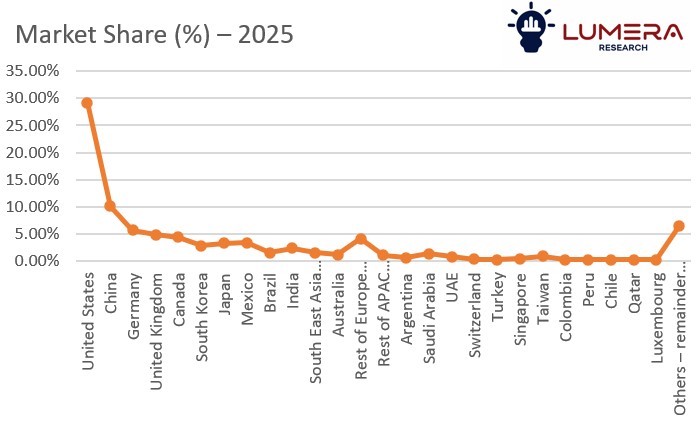
- North America: A mature market underpinned by advanced technology adoption, robust commercial greenhouse infrastructure, and strong retail demand for year-round fresh produce.
- Europe: Increasing investments in sustainable agricultural practices, regulatory support for smart farming solutions, and urban farming initiatives are driving growth.
- Asia Pacific: Fastest-growing region owing to food security concerns, expanding population, rising disposable incomes, and government incentives promoting modern agriculture.
- Latin America: Emerging adoption supported by greenhouse modernization and commercial farm expansion in countries like Brazil and Mexico.
- Middle East & Africa: Growth anchored by water scarcity challenges, government-sponsored smart agriculture programs, and rising investment in controlled environment agriculture.
Quick Market Figures:
- 2025 Market Size: USD ~12.1 Billion
- 2035 Market Size (Projected): USD ~21.0–22.5 Billion
- CAGR (2025–2035): ~6.5–7.5%
- Leading Regional Growth: Asia Pacific (fastest growth)
Key Players in the Hydroponics Market:
- General Hydroponics
- AeroFarms
- Freight Farms
- Gotham Greens
- Signify (Philips Lighting)
- Hydrofarm Holdings Group
- Crop One Holdings
- Netafim Ltd.
- Growlink
- Intelligent Growth Solutions (IGS)
- ZipGrow
- Omnivent
- GrowSpan Greenhouse Structures
- Priva
- Argus Control Systems
- Valoya Oy
- Sunlight Supply Inc.
- Urban Crop Solutions
- Certhon
- Canon Hydroponics
- Illumitex
- Vertical Harvest
- BrightFarms
- Growtainer
- AmHydro