Overview:
Herbal Nutraceuticals Market Forecast is estimated at USD 67.2 billion in 2025 and is projected to grow to USD 112.5 billion by 2035, at a CAGR of 6.6%. The preventive approach of healthcare and natural health product consumption among the population is the reason for this growth.
• Dietary supplements – Market Share 49.8 % – will continue to lead the market.
• Ginger in supplements – Market Share 21.8% – this use reflects its important role in digestive health, immune support, and its anti-inflammatory uses.
Moreover, the market is expected to grow in the personal care and cosmetics industry, and functional foods and beverages. both developed and emerging economies would increasingly fuel this growth.
Drivers:
- Rising Health Consciousness: More and more consumers are on the lookout for natural and preventive health solutions, which is driving up the demand for herbal supplements.
- Growing Aging Population: As the older demographic continues to grow, many are turning to herbal nutraceuticals to help manage chronic diseases and support their overall wellness.
- Shift Toward Clean Label Products: There’s a noticeable preference for products that feature natural, easily recognizable ingredients, which is fuelling innovation and the adoption of herbal formulations.
- Expansion of E-commerce & Direct-to-Consumer Channels: Online shopping is making herbal nutraceuticals much more accessible, particularly in emerging markets.
Restraints:
- Lack of Standardization & Regulation: Inconsistent quality and regulatory frameworks across regions can hinder consumer trust and market growth.
- Limited Clinical Evidence: Compared to pharmaceuticals, herbal products often lack robust scientific validation, affecting credibility.
- Supply Chain Challenges: Seasonal availability and sourcing issues for herbal ingredients can impact production and pricing.
- High Competition from Synthetic Alternatives: Conventional supplements and pharmaceuticals may offer faster results, drawing consumers away from herbal options.
Regional Dynamics:
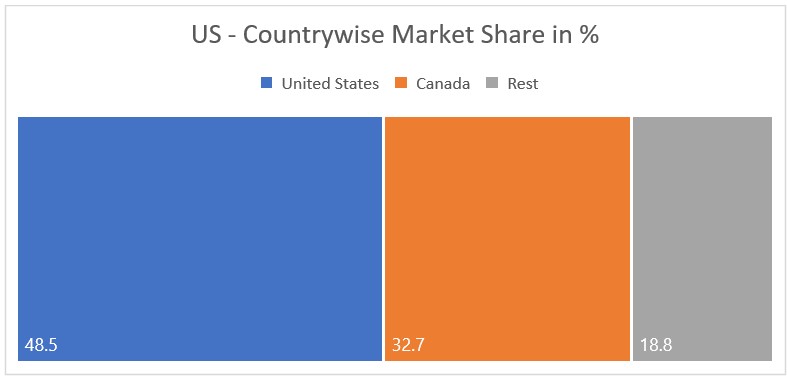
Americas: North America is the largest market in this region covering 48.5% of the total market share. This achievement is the result of high consumer preferences, strong E-commerce adoption and high demand of clean label, stress relief and immunity boosting products.
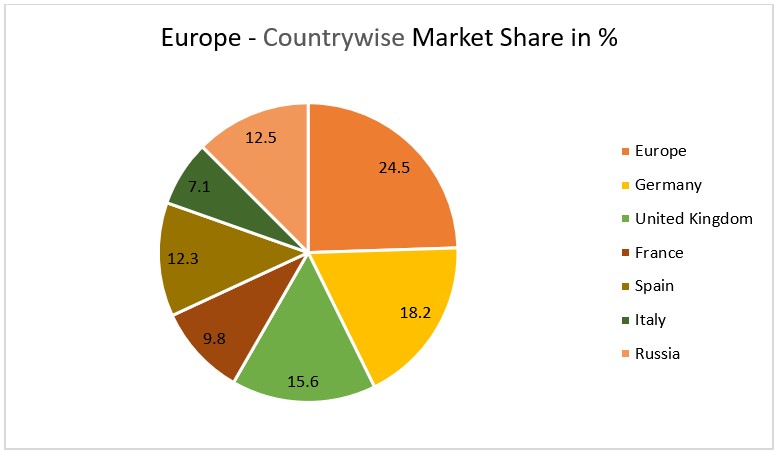
Europe: This region is far mature market when it comes to Herbal Nutraceuticals. Because of the strong demand of Functional Food and Probiotic supplement, the market is expected to grow exponentially.
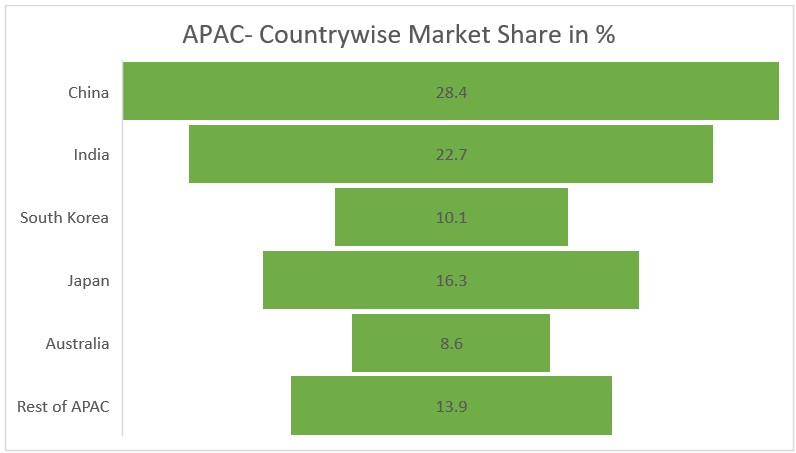
APAC: The market of Herbal Nutraceutical is booming in APAC due to Aging population and chronic disease prevalence. Due to strong traditional medicine industry and high population, China is leading the market in APAC. India is following closely with the expertise of Ayurveda and increasing nutraceutical
Key Players:
- The Himalaya Drug Company
- Amway Corporation
- Nutraceutical International Corporation
- Bio Botanica, Inc.
- Oregon’s Wild Harvest
- Pure Encapsulations, LLC
- Nature’s Bounty
- Sidled India Pvt Ltd
- Herbochem
- Gaia Herbs Farm
- NOW Foods
- Nutramarks, Inc.
- Nestlé S.A.
- GlaxoSmithKline (GSK)
- General Mills Inc.
- Abbott Nutrition