Overview:
The Emergency Communication Vehicle Market in 2025 is USD 3.5 Billion and is expected to grow to USD 6.8 Billion by 2035, at a CAGR of 6.3%. The Command Vehicle Segment with 32.5% market share with is leading the market followed by Satellite Communication Tech at 28.2% and Urban Application Segment at ~22%.
Drivers:
- Rising Frequency of Natural Disasters: This demands increased use of Mobil Command Centres.
- Government Safety Initiatives: Increase in public safety and defence raise demand in Advance Vehicles
- Technological Advancements: Vehicle capabilities are boosted using 5G, Satellite and AI-Powered Analytic tools
- Urbanization & Population Growth: With higher population high speed vehicle and quick response time is mandatory.
Restraints:
- High Initial Investment Costs: The expenses to build and maintain Specialized vehicles and tech systems are high.
- Technological Obsolescence: Frequent updates are required to meet the fast- paced change in the technology.
- Regulatory Compliance Complexity: Varying regional standards complicate design and deployment.
- Limited Skilled Workforce: Require special training to Operating and maintaining advanced systems.
Regional Dynamics:
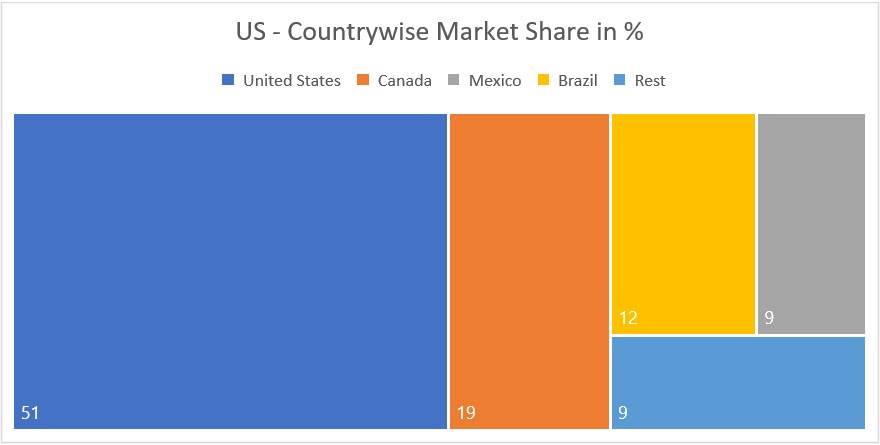
Americas Emergency Communication Vehicle Market Overview: Forecasts for 2025 indicate the Emergency Communication Vehicle Market in the Americas is led by the United States with a share value of 38–42%, the highest in the world. This dominance stems from substantial U.S. government spending on homeland security, disaster response, and sophisticated defense systems.
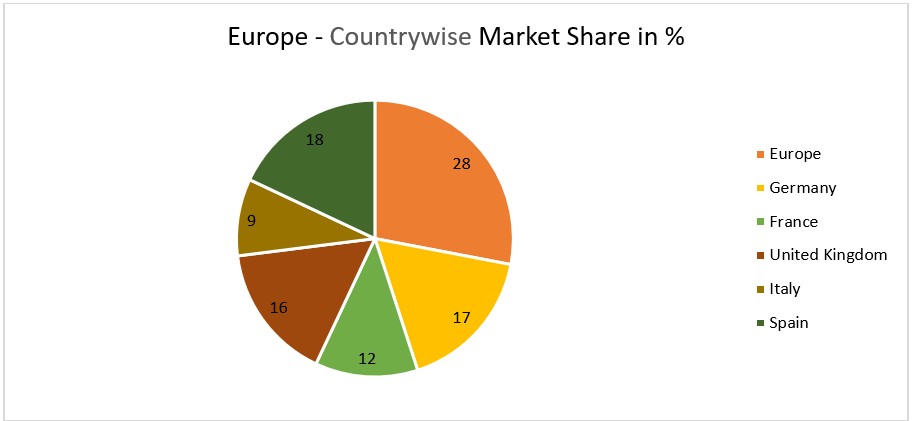
Europe: Europe constitutes a crucial and continuously expanding portion of the worldwide emergency communication vehicle market. The area is marked by robust regulatory systems, sophisticated public safety infrastructure, and growing investments in disaster readiness. The European Union’s focus on interoperability, transnational collaboration, and climate resilience has hastened the utilization of mobile command vehicles among member states. These cars are progressively outfitted with satellite communication, AI-driven analytics, and real-time data systems to assist emergency response in natural disasters, terrorist threats, and civil emergencies.
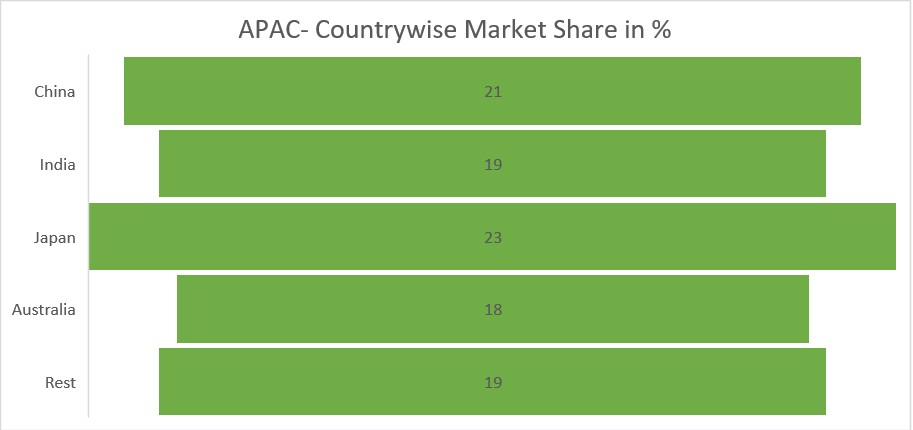
APAC: The Asia-Pacific region is experiencing rapid growth in the emergency communication vehicle market, driven by increasing natural disasters, urbanization, and government investments in public safety infrastructure. Countries in APAC are prioritizing mobile command centers equipped with satellite communication, 5G, and AI-powered systems to improve disaster response and inter-agency coordination. Due to frequent earthquakes, floods, and typhoons, this region has therefore accelerated the deployment of advanced emergency vehicles. In particular, these vehicles are being prioritized in densely populated and high-risk zones.
Key Players:
- E-One Inc.
- Ferrara Fire Apparatus, Inc.
- KME Fire Apparatus
- LDV, Inc.
- Marion Body Works, Inc.
- Oshkosh Corporation
- Pierce Manufacturing Inc.
- REV Group, Inc.
- Rosenbauer International AG
- Seagrave Fire Apparatus, LLC
- Spartan Emergency Response
- Demers Ambulances
- Braun Industries
- Wheeled Coach Industries
- Mobile Concepts by Scotty
- Terex Corporation
- General Dynamics
- BAE Systems
- Airbus Defence and Space
- L3Harris Technologies