Overview:
The global E-passport market is expected to witness steady and sustained growth from 2026 to 2036, driven by increasing cross-border travel, rising security concerns, and government initiatives to modernize border control and identity verification systems. The market is estimated to grow from USD ~34.5–37.0 billion in 2026 to approximately USD ~85.0–95.0 billion by 2036, registering a CAGR of ~9.0–10.5% over the forecast period.
E-passports, also known as biometric passports, integrate embedded electronic chips and advanced security features to store biometric and demographic information securely. Their adoption has become a critical component of national security frameworks, enabling faster immigration processing, reduced identity fraud, and enhanced interoperability with automated border control systems.
Leading Segment:
Ordinary (civilian) e-passports constitute the leading segment in the global e-passport market – This segment dominates due to the large and continuously growing volume of international travelers and the widespread issuance of e-passports to general citizens by national governments.
Governments across both developed and emerging economies are transitioning from traditional machine-readable passports to biometric e-passports as part of identity modernization and border security programs. The mandatory adoption of e-passports for civilian travel, combined with population growth and increasing passport renewal cycles, positions this segment as the largest contributor to overall market revenue.
Market Drivers:
- Rising international travel volumes and globalization of trade and tourism.
- Increasing emphasis on national security and identity fraud prevention.
- Government mandates for biometric identification and secure travel documents.
- Expansion of automated border control and e-gates at airports.
- Technological advancements in embedded chips, encryption, and biometric authentication
Market Restraints:
- High implementation and infrastructure costs for issuing authorities.
- Data privacy and cybersecurity concerns related to biometric information.
- Complex procurement and regulatory approval processes.
- Limited technical capabilities in low-income and developing countries.
Regional Dynamics:
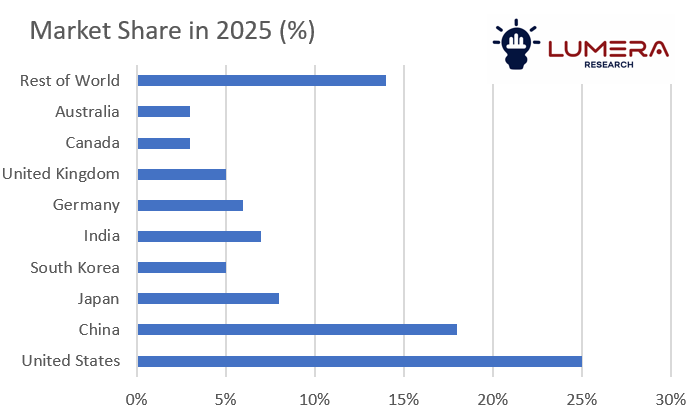
- Europe – One of the largest markets due to early adoption of biometric passports, strong regulatory frameworks, and high international travel volumes.
- North America – Stable growth supported by advanced border security systems, high passport penetration, and ongoing upgrades to e-passport standards.
- Asia Pacific – Fastest-growing region driven by population growth, increasing outbound travel, and large-scale government investments in national identity programs.
- Latin America – Moderate growth led by gradual digitization of travel documents and border security infrastructure upgrades.
- Middle East & Africa – Emerging growth supported by increasing international mobility, tourism initiatives, and government-led digital identity programs.
Quick Market Figures:
- 2026 Market Size (Estimated): ~USD 34.5–37.0 Billion.
- 2036 Market Size (Projected): ~USD 85.0–95.0 Billion.
- CAGR (2026–2036): ~9.0–10.5%
- Leading Segment: Ordinary / Civilian E-passports.
- Fastest-Growing Region: Asia Pacific.
Key Companies (Representative List):
- Thales Group
- IDEMIA
- HID Global
- Entrust Corporation
- Infineon Technologies
- NXP Semiconductors
- Veridos GmbH
- De La Rue plc
- Eastcompeace Technology
- Gemalto (Thales)
- CardLogix
- Giesecke+Devrient
- Muhlbauer Group
- OBERTHUR Technologies