Overview:
The global Chewable Hydration Market is projected to witness accelerated growth from 2026 to 2036, driven by increasing demand for convenient hydration solutions, rising fitness awareness, expansion of sports nutrition products, and growing consumer preference for portable wellness formats. Chewable hydration products typically include electrolyte gummies, chewable tablets, and rapid-dissolve formulations designed to replenish fluids and essential minerals without the need for liquid mixing.
The market is benefiting from trends such as on-the-go consumption, outdoor lifestyle adoption, endurance sports participation, and increasing awareness of dehydration risks. Innovation in flavor profiles, sugar-free formulations, and clean-label ingredients is further supporting adoption among both athletes and general consumers.
Leading Segment:
By Product Type – Electrolyte Gummies
Electrolyte gummies represent the leading segment in the chewable hydration market. This segment dominates due to strong consumer familiarity with gummy supplement formats, ease of consumption, portability, and improved taste profiles compared to traditional tablets or powders.
Electrolyte gummies appeal to both athletes and general wellness consumers seeking convenient hydration solutions without carrying liquids. Additionally, sugar-free, vegan, and clean-label variants are expanding their adoption across broader demographic groups, reinforcing their market leadership.
Market Drivers:
- Rising participation in sports, fitness, and outdoor activities.
- Increasing awareness of electrolyte balance and hydration health.
- Demand for convenient, portable nutrition formats.
- Growth in e-commerce and direct-to-consumer supplement sales.
- Expansion of clean-label and plant-based supplement formulations.
Market Restraints:
- Higher cost compared to traditional hydration powders.
- Shelf-life and stability challenges in gummy formats.
- Regulatory scrutiny regarding supplement health claims.
- Consumer skepticism toward newer hydration formats.
Opportunities:
- Expansion into pediatric and geriatric hydration solutions.
- Development of multi-functional products combining hydration with immunity or energy support.
- Entry into emerging markets with rising wellness adoption.
- Partnerships with sports brands and fitness influencers.
Regional Insights:
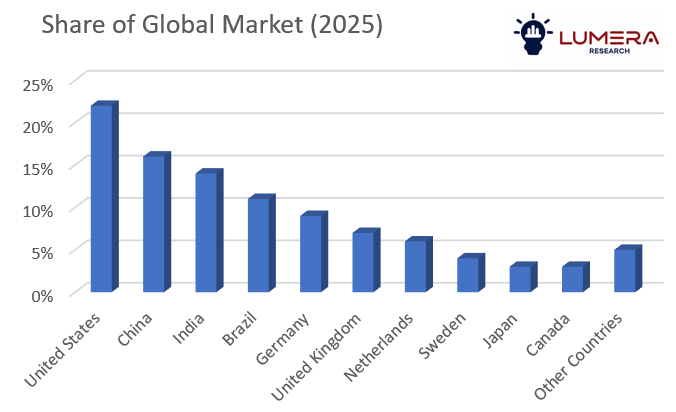
- North America: Largest market driven by strong sports nutrition culture, high supplement consumption, and expanding direct-to-consumer brands.
- Europe: Steady growth supported by increasing fitness participation and demand for clean-label supplements.
- Asia Pacific: Fastest-growing region due to expanding middle-class population, urbanization, and rising awareness of preventive health.
- Latin America: Emerging market supported by growing retail expansion and increasing sports participation.
- Middle East & Africa: Gradual growth influenced by rising health awareness and increasing retail accessibility.
Market Size & Growth Outlook:
- Market Size (2026): ~USD 1.1–1.3 Billion
- Market Size (2036): ~USD 3.8–4.5 Billion
- CAGR (2026–2036): ~12.5–14.0%
Strong double-digit growth is supported by increasing consumer demand for alternative hydration formats and expanding retail presence across health, fitness, and e-commerce channels.
Key Companies (Representative List):
- Liquid I.V.
- Nuun Hydration
- GU Energy Labs
- Clif Bar & Company
- Skratch Labs
- Gatorade (PepsiCo)
- Herbalife Nutrition
- GlaxoSmithKline (Consumer Health Division)
- Otsuka Pharmaceutical
- Abbott Laboratories
- Nestlé Health Science
- Amway Corporation
- Vital Proteins
- Unilever (Wellness Division)
- Church & Dwight Co., Inc.