
Open Banking Market Outlook 2026–2036: Redefining Financial Services
Overview
The Open Banking Market is projected to witness strong growth between 2026 and 2036. Regulatory mandates, API-based banking infrastructure, and increasing fintech collaboration are transforming the global financial ecosystem.
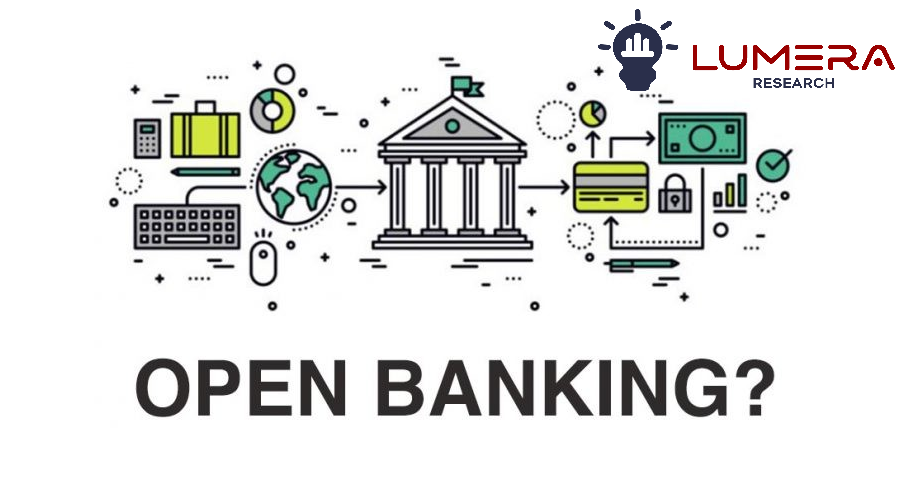
Open banking enables secure data sharing between financial institutions and authorized third-party providers through application programming interfaces (APIs). As a result, innovation in payments, digital lending, wealth management, and personal finance platforms continues to accelerate.
According to our detailed Open Banking Market Size, Share & Forecast 2026–2036, the market is expected to expand steadily as embedded finance and real-time payments reshape digital banking models.
Today, open banking is evolving from a compliance-driven initiative into a strategic growth engine for financial institutions worldwide.
Open Banking Market Growth Drivers
Several structural factors are accelerating Open Banking Market expansion.
1. Regulatory Initiatives and Compliance Mandates
Government regulations such as PSD2 in Europe and similar frameworks across Asia Pacific and North America are compelling banks to open their APIs.
These regulatory frameworks:
- Encourage competition
- Improve consumer data ownership
- Promote financial transparency
- Enable secure third-party integration
As regulatory alignment improves, ecosystem development continues to accelerate.
2. Rising Fintech Collaboration
Traditional banks are increasingly partnering with fintech companies to enhance customer experience and expand digital service offerings.
API-enabled partnerships allow institutions to deliver:
- Personalized financial insights
- Instant lending approvals
- Seamless payment experiences
- Advanced fraud detection
This collaboration is strengthening the broader Open Banking Market ecosystem.
3. Growing Demand for Digital Financial Services
Consumers expect mobile-first, real-time financial services. Demand for instant payments, automated budgeting tools, and integrated wealth management solutions continues to rise.
Open banking infrastructure enables faster innovation cycles and improved user experiences.
4. Expansion of Embedded Finance
Retailers, e-commerce platforms, and non-financial enterprises are embedding financial services directly into their platforms. Banking-as-a-Service (BaaS) models are gaining traction across industries.
Embedded finance is expected to remain a key long-term driver of the Open Banking Market.
Open Banking Market Trends (2026–2036)
The Open Banking Market is evolving rapidly. Key trends include:
- Transition from open banking to broader open finance ecosystems
- Integration of AI-driven credit scoring and fraud detection
- Growth of real-time account-to-account transfers
- Expansion of Banking-as-a-Service (BaaS) platforms
- Cross-border open banking frameworks
- Advanced API security and identity verification systems
Over time, open finance models are expanding beyond banking into insurance, investments, and pension management services.
For comprehensive segmentation analysis and competitive benchmarking, refer to the complete Open Banking Market Forecast 2026–2036 report.
Open Banking Market Challenges and Restraints
Despite strong growth potential, the Open Banking Market faces several challenges:
- Data privacy and cybersecurity risks
- Standardization gaps across jurisdictions
- Legacy banking infrastructure integration complexities
- Limited consumer awareness in emerging markets
However, enhanced API security standards, digital identity frameworks, and regulatory oversight are helping mitigate operational risks.
Open Banking Market Regional Outlook
Europe
Europe remains a mature market due to strong regulatory enforcement and early PSD2 adoption. Standardized frameworks have accelerated ecosystem maturity.
North America
North America is experiencing rapid growth driven by fintech innovation, digital payments expansion, and increased API standardization efforts.
Asia Pacific
Asia Pacific is projected to register the fastest growth through 2036. Mobile-first banking ecosystems, financial inclusion initiatives, and rapid digitalization in countries such as India and Singapore are driving adoption.
Latin America and the Middle East & Africa are emerging markets supported by fintech-friendly regulatory reforms and digital transformation strategies.
Detailed regional revenue projections are covered in the full Open Banking Market analysis.
Competitive Landscape
The Open Banking Market is moderately fragmented. Technology providers, API platform developers, fintech firms, and traditional banks compete to expand ecosystem capabilities.
Major players include:
- Visa (Tink)
- Plaid
- Finastra
- FIS
- Temenos
- Oracle Financial Services
- Capgemini
- Mastercard
- Envestnet (Yodlee)
- TrueLayer
These companies focus on API standardization, cybersecurity enhancement, data analytics integration, and strategic fintech partnerships.
Open Banking Market Forecast 2026–2036
The Open Banking Market is expected to expand steadily through 2036, supported by:
- Increasing regulatory alignment
- Growth of digital wallets and real-time payments
- AI-driven financial analytics
- Expansion of open finance frameworks
- SME-focused digital lending solutions
Strategic collaborations between banks, fintech firms, and technology vendors are likely to intensify during the forecast period.
For detailed CAGR projections, competitive positioning insights, and segment-level revenue estimates, access the complete Open Banking Market Size, Share & Forecast 2026–2036.
Frequently Asked Questions
What is the Open Banking Market?
The Open Banking Market includes API-enabled financial platforms that allow secure data sharing between banks and authorized third-party providers.
Why is open banking important?
Open banking enhances financial transparency, improves customer experience, and enables innovation in payments, lending, and digital wealth management.
Which region leads the Open Banking Market?
Europe leads in regulatory maturity, while Asia Pacific is projected to record the fastest growth through 2036.
Conclusion
The Open Banking Market is transforming the global financial ecosystem. What began as a regulatory requirement is now a strategic growth platform for digital financial services.
Organizations that invest in secure API infrastructure, fintech collaboration, and embedded finance capabilities will be best positioned to capitalize on open finance expansion through 2036.
For complete strategic insights, regional analysis, and competitive benchmarking, explore the full Open Banking Market Forecast 2026–2036 report.
Explore our full collection of industry insights and forecasts in the Lumea Research Market Reports Store.