
Smart Grids in Action: How the substation automation industry Is Powering the Future of Energy
Introduction
The global power sector is undergoing a digital transformation. Utilities are modernizing grid infrastructure to handle increasing electricity demand, renewable energy integration, and the need for reliable power distribution. At the center of this transformation is the substation automation industry.
Substation automation systems enable utilities to monitor, control, and protect electrical substations through advanced digital technologies. These systems improve operational efficiency, reduce outages, and support the transition toward intelligent power grids.
As governments and energy providers invest heavily in smart grid infrastructure, the automated power substation systems is gaining strong momentum worldwide.
For detailed industry insights and forecasts, read the full market analysis here: Substation automation report.
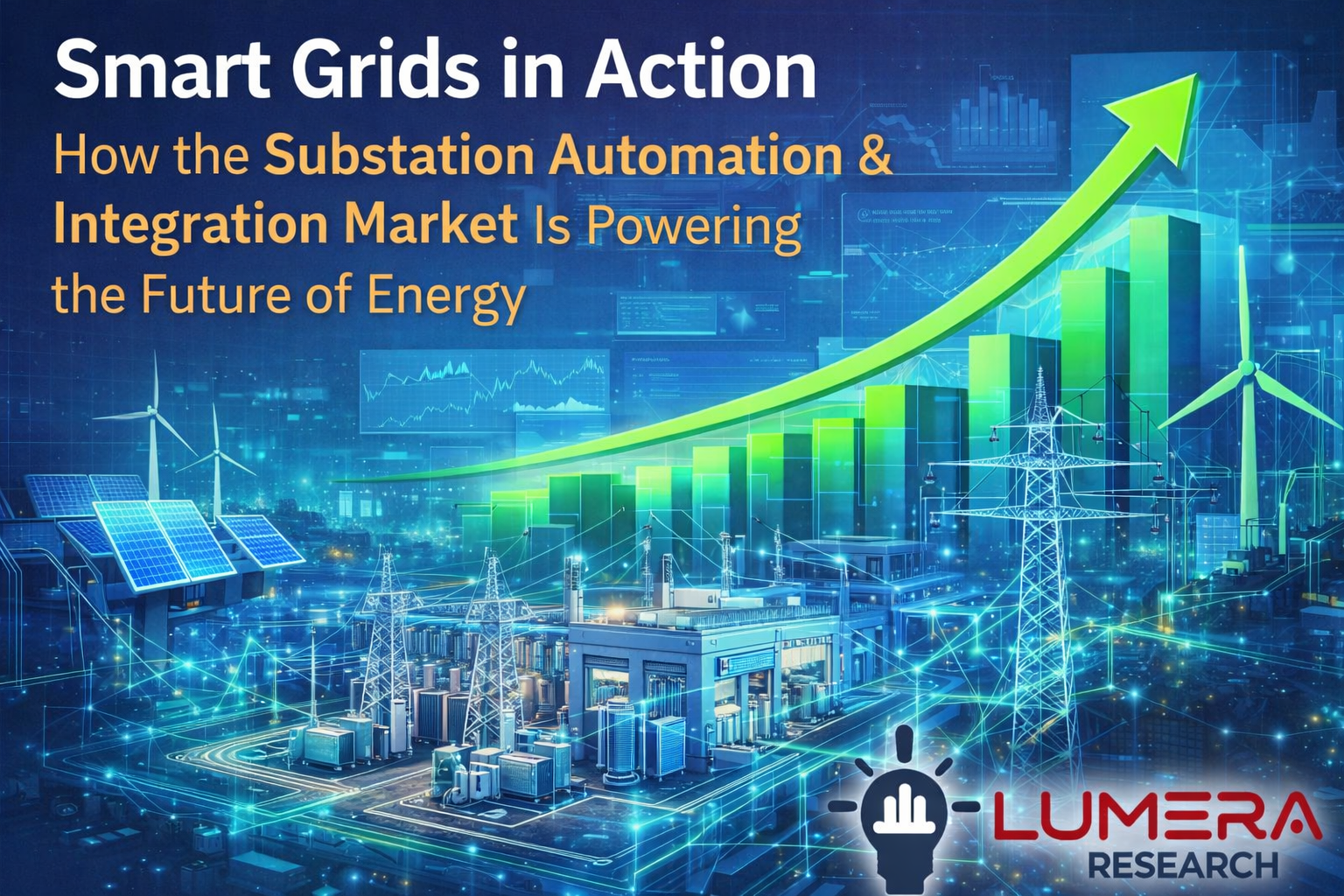
What Is Substation Automation?
Substation automation refers to the use of digital communication, intelligent electronic devices (IEDs), and automation software to monitor and control electrical substations remotely.
Traditional substations rely heavily on manual monitoring and legacy control systems. In contrast, automated substations use real-time data and intelligent systems to optimize grid performance.
Key components of substation automation systems include:
- Intelligent electronic devices (IEDs)
- SCADA systems
- Remote terminal units
- Communication networks
- Protection and control systems
These technologies allow utilities to detect faults quickly, restore power faster, and improve grid reliability.
Why the Substation Automation & Integration Market Is Growing
Several factors are driving rapid growth in the Substation Automation & Integration Market.
Rising Electricity Demand
Urbanization and industrial growth are increasing electricity consumption worldwide. Utilities must upgrade grid infrastructure to meet rising demand while maintaining reliability.
Expansion of Renewable Energy
Renewable energy sources such as solar and wind introduce variability into power grids. Automated substations help manage these fluctuations and maintain grid stability.
Smart Grid Development
Governments and utilities are investing heavily in smart grid initiatives. Substation automation plays a critical role in enabling digital grid infrastructure.
Grid Reliability and Cybersecurity
Advanced monitoring and automation systems allow utilities to detect faults quickly and prevent large-scale outages. Integration with cybersecurity systems also helps protect critical energy infrastructure.
Technology Trends Transforming Substations
Innovation is reshaping the digital substation technology market through the adoption of advanced digital technologies.
Key trends include:
- Integration of Internet of Things (IoT) devices
- Artificial intelligence for predictive maintenance
- Cloud-based energy management systems
- Advanced grid analytics platforms
- Edge computing for real-time monitoring
These technologies allow utilities to manage complex energy networks more efficiently and respond to disruptions faster.
The digitalization of energy infrastructure is also connected to broader grid modernization initiatives across telecommunications and data infrastructure sectors.
Regional Insights
North America
North America is a leading market due to strong investments in smart grid modernization and aging grid infrastructure upgrades.
Utilities in the United States and Canada are adopting automated substations to improve energy resilience and reliability.
Europe
Europe is advancing substation automation through renewable energy integration and ambitious climate targets. Smart grid initiatives across Germany, the UK, and the Nordic countries are accelerating adoption.
Asia-Pacific
Asia-Pacific is expected to experience the fastest growth in the Substation Automation & Integration Market. Rapid urbanization, expanding electricity demand, and large-scale grid expansion projects are driving investment across China, India, and Southeast Asia.
Emerging Markets
Regions such as Latin America and the Middle East are also investing in modern grid infrastructure to improve electricity reliability and support economic development.
Future Outlook
The future of the Substation Automation & Integration Market will be shaped by the continued evolution of smart grids and digital energy systems.
Key developments expected over the coming decade include:
- AI-driven grid optimization
- Increased adoption of renewable energy integration technologies
- Enhanced cybersecurity frameworks for energy infrastructure
- Deployment of autonomous grid management systems
- Expansion of distributed energy resources
As power networks become more complex, automated substations will play a critical role in maintaining stable and resilient electricity systems.
Conclusion
The Substation Automation & Integration Market represents a key pillar in the modernization of global energy infrastructure. By enabling smarter, more efficient substations, these technologies help utilities improve grid reliability, integrate renewable energy, and support future electricity demand.
As governments and utilities accelerate investments in digital energy systems, substation automation will remain essential for building resilient and intelligent power grids worldwide.
For detailed industry insights and forecasts, read the full market analysis here: Substation automation report.
Industry References
Industry developments around digital power infrastructure and smart grid technologies are closely monitored by global energy organizations. Insights from institutions such as the International Energy Agency (IEA) and the U.S. Department of Energy Smart Grid Program highlight the increasing importance of automated substations and intelligent energy networks in modern power systems.